
For Today & Tomorrow
The Complete System
For Performance & Longevity


 Shop
Shop
 Learn
Learn


Editorial Team
Want To Jump Ahead?
Lock in Limited Time OfferThat matters because ageing does not arrive all at once.
It shows up quietly. A little less strength. A little slower recovery. A little more fatigue. And, for many people, a growing fear that what once felt effortless now takes real effort. Loss of muscle mass and strength is one of the defining biological shifts of ageing, and preserving both is central to staying capable, mobile, and independent.
Now the science is forcing a rethink.
Researchers are looking at creatine not only for athletic output, but also for muscle retention, healthy ageing, and even cognitive performance in situations where the brain is under pressure. The strongest evidence still sits with muscle and strength. But the brain-health angle is no longer fringe.
And that is where this gets interesting.
Because if a supplement once dismissed as “just for bodybuilders” can help older adults hold on to lean mass, and may even support memory or processing speed in certain settings, then the real question is no longer who creatine is for.
It is who has been overlooking it.
Creatine works by helping the body regenerate ATP, the molecule cells use for rapid energy. That system is vital in skeletal muscle, which is why creatine became famous in sport. But ATP demand is also intense in the brain, especially when the system is stressed.
That is the key shift in how scientists now talk about it.
Not as a vanity supplement. Not as a shortcut. But as a compound that supports one of the most basic requirements of human performance: cellular energy availability.
It also helps explain why creatine’s benefits are not limited to the weight room.
Yes, it remains one of the most studied and effective sports supplements for improving high-intensity exercise capacity and training adaptations. But the same energy logic has pushed research into cognition, fatigue resistance, and age-related decline.
That does not mean every headline you have seen is justified.
The evidence is not equal across every claim. Some areas are robust. Others are still emerging. The smartest way to understand creatine now is to separate the proven from the promising.
This is where the case for creatine becomes hard to ignore.
As people age, they naturally lose muscle mass, strength, and power. That loss is not just cosmetic. It reduces resilience. It raises the effort cost of daily life. And over time, it can chip away at independence.
Resistance training remains the foundation.
But creatine appears to make that training work harder. A 2021 meta-analysis concluded that creatine supplementation in conjunction with resistance training augments gains in lean tissue mass and strength in ageing adults.
The numbers are what make people pay attention.
A widely cited meta-analysis in older adults found that adding creatine to resistance training produced an average 1.37 kg greater increase in lean tissue mass compared with training alone, alongside meaningful improvements in strength and functional performance.
“Creatine supplementation in conjunction with resistance training augments gains in lean tissue mass and strength in aging adults.”
That line matters because it cuts through the noise.
We are not talking about a fantasy anti-ageing promise. We are talking about better odds of preserving the tissue that helps you get up from a chair, carry bags, recover from effort, and keep doing life on your own terms.
In other words, the real ageing fear is not looking older.
It is becoming less capable.
Creatine is not a magic fix for that. But when paired with resistance training, the evidence suggests it can be a valuable tool in protecting what ageing tries to quietly take away.
This is the part that surprises people.
The brain is an energy-hungry organ. That is one reason creatine researchers started asking whether a compound known to support cellular energy in muscle might also matter in cognition.
The latest evidence is intriguing, but it needs to be handled honestly.
A 2024 systematic review and meta-analysis of 16 randomized controlled trials found that creatine supplementation significantly improved memory, attention time, and information processing speed in adults. However, it did not significantly improve overall cognition or executive function across all studies.
That is not a failure.
It is a signal.
It suggests creatine may help in specific cognitive domains, or under specific conditions, rather than acting like a universal “smart pill.” That distinction matters if you care about real science more than flashy marketing.
And the stress-condition data may be the most compelling of all.
A 2024 randomized trial found that a single high dose of creatine during 21 hours of sleep deprivation improved cognitive performance and processing speed, with researchers also observing shifts in brain-energy-related markers. That fits a broader pattern: creatine may be especially useful when the brain is under strain, not just when everything is already optimal.
This is not entirely new.
Even an earlier 2006 study reported that after 24 hours of sleep deprivation, creatine had positive effects on mood state and tasks placing high demand on the prefrontal cortex.
So where does that leave us?
Not at the point where anyone should claim creatine prevents dementia or guarantees sharper thinking. That would be an overreach. But we are absolutely past the point where it makes sense to pretend the brain connection is speculative nonsense. The current literature supports a more measured conclusion: there is credible, growing evidence of cognitive benefit, especially in energy-demanding conditions, but more robust trials are still needed.
Part of creatine’s image problem is cultural.
It was branded for mass, power, and performance. So people who were not trying to get bigger often assumed it had nothing to offer them. Women wrote it off. Older adults ignored it. Health-focused consumers placed it in a mental category labelled “not for me.” That stereotype is now badly outdated.
Another reason is confusion.
People often assume that if something helps in the gym, it must be narrow, aggressive, or somehow unnatural. But creatine is one of the most extensively studied supplements in sports nutrition, and the safety data are one reason researchers continue exploring broader applications.
The International Society of Sports Nutrition stated in its position stand that creatine monohydrate is not only effective, but that short- and long-term supplementation in studied settings has been found to be safe and well tolerated in healthy individuals and several clinical populations.
That does not mean every person should supplement blindly.
It means the old fear-driven narrative does not match the evidence.
The more useful question is not whether creatine is “hardcore.” The useful question is whether you care about strength, recovery, physical resilience, and healthy performance as you age. If the answer is yes, then creatine belongs in the conversation.
Because this is what the modern creatine story really looks like:
It helps support training adaptations. It may help protect lean mass when age starts pulling the other way. It shows promising effects in some areas of cognition. And it has a research base strong enough that serious scientists keep finding new reasons to study it beyond sport.
Here is the honest read.
If your goal is muscle retention, strength support, and better outcomes from resistance training, especially as you age, the evidence is strong and practical.
If your goal is brain health, the evidence is promising but more nuanced.
There are encouraging findings for memory, attention, and processing speed, and stronger signals under stress conditions like sleep deprivation. But the literature is not yet strong enough to justify sweeping claims about overall cognition or long-term neurological protection.
That nuance is not a weakness.
It is what credibility looks like.
And for a premium health brand, credibility matters more than hype. Because people do not need another miracle. They need tools that hold up when the marketing is stripped away.
Creatine does.
Not because it promises everything.
But because what it does promise is increasingly backed by serious human data.
In the end, the biggest mistake may be thinking creatine belongs only to athletes chasing bigger numbers in the gym.
The more compelling case is much broader: protecting strength, preserving lean mass, and supporting the energy systems that ageing and stress challenge first.
That is no longer niche.
That is modern health.

For Performance
$3.30/day
$297/90 DAYS
There is a reason creatine has been stuck in the “gym bro” box for years.It built its reputation on squat racks, shaker bottles, and bigger lifts. But that old image is now colliding with a much more interesting truth: creatine is not just a muscle story. It is an energy story and energy is exactly what your muscles, your brain, and your ageing body start to lose first.
Get our weekly deep-dive into performance science, research summaries, and elite training protocols.
Join 45,000+ high-performers. Unsubscribe anytime.
Every batch of First or Nothing products is independently tested for heavy metals, purity, and dosage accuracy to ensure safety and quality.

First or Nothing is independently tested for heavy metals, purity, and dosage accuracy.
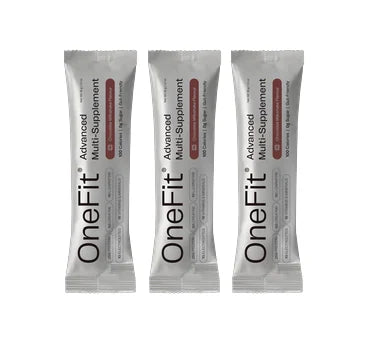
 OneFit®
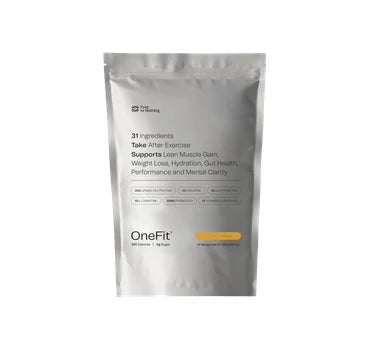
OneFit®
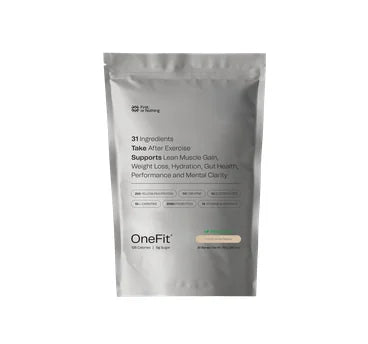
OneFit®
OneFit®
OneFit®
OneFit®
OneFit®
OneFit®
OneFit®
OneFit®
OneFit®
First or Nothing is independently tested for heavy metals, purity, and dosage accuracy.
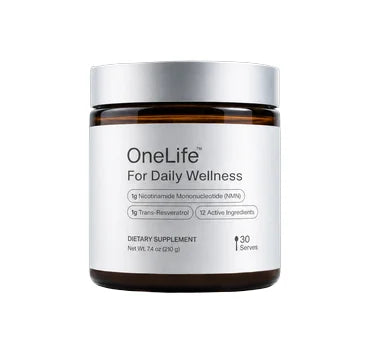
OneLife™
OneLife™
OneLife™
© 2026 FON Health AU Pty Ltd


Please select your shipping country.
Buy from the country of your choice. Remember that we can only ship your order to addresses location in the chosen country.

 Ships in 24h
"EXCELLENT"
 rated 4.8/5 on


