

For Today & Tomorrow
The Complete System
For Performance & Longevity


 Shop
Shop
 Learn
Learn


Editorial Team
Want To Jump Ahead?
Lock in Limited Time OfferThe reason may have less to do with what you're missing and more to do with what you're doing every day.
Working through lunch, sitting for hours without moving, scrolling late into the night, or simply not drinking enough water can quietly undermine your body's ability to produce and sustain energy. On their own, these habits seem insignificant. Together, they can leave you feeling exhausted long before the day is over.
Fatigue is one of the most common reasons people seek medical advice, yet for many healthy adults, the cause isn't a hidden illness; it's a collection of small, everyday habits that quietly work against the body's ability to produce and sustain energy.
Sleep is certainly part of the picture, but it's rarely the whole story. The water you drink, the meals you skip, the hours you spend sitting, and the amount of stress you carry all influence how efficiently your body turns food and oxygen into usable energy.
The encouraging part? Unlike many health problems, these habits are often within your control.
Every heartbeat, every step, and every thought relies on adenosine triphosphate (ATP), the molecule that powers virtually every cell in your body. ATP is produced primarily inside mitochondria using nutrients from food and oxygen delivered through your bloodstream.
That process sounds automatic, but it's surprisingly sensitive to your daily routine.
Dehydration reduces blood volume, making your heart work harder to deliver oxygen and nutrients. Poor sleep interferes with hormone regulation and cognitive performance. Long hours of sitting reduce circulation, while chronic stress keeps your body in a prolonged state of alertness that can leave you mentally and physically exhausted.
Researchers have spent decades studying these links. In one controlled trial, Lawrence Armstrong and colleagues (2012) found that women who lost just 1.36% of their body weight through dehydration experienced significantly higher levels of fatigue, tension and difficulty concentrating, even without exercising in hot conditions. Most participants weren't clinically dehydrated and many didn't report feeling thirsty, highlighting how easy it is to overlook hydration as a contributor to low energy.
"Mild dehydration can negatively affect mood and increase perceptions of task difficulty in healthy young women." — Armstrong et al., Journal of Nutrition (2012)
The takeaway isn't that one glass of water will transform your day. It's that energy depends on many small systems working together, and even modest disruptions can have noticeable effects.
Most people don't become dehydrated on purpose; they simply get busy. Coffee replaces water, meetings run through lunch, and before long, fatigue and headaches start to creep in.
Water supports blood circulation, nutrient transport, temperature regulation, and cognitive function. Even mild dehydration can make your heart work harder and leave you feeling sluggish.
In a study by Ganio et al. (2011), healthy men with mild dehydration experienced poorer working memory, increased anxiety and greater fatigue.
While hydration needs vary depending on your activity level and the climate, drinking water regularly throughout the day, not just when you're thirsty, is a simple habit that can help support steady energy.
Modern schedules have turned eating into something many people squeeze between meetings. Breakfast becomes optional. Lunch is delayed until mid-afternoon. Dinner becomes the day's biggest meal because it's the first chance to sit down.
Irregular eating can make it harder to maintain steady energy. Meals rich in protein, fibre, healthy fats and minimally processed carbohydrates provide a more consistent source of fuel than sugary, highly processed foods, helping to reduce energy crashes.
Diet quality matters too. Nutrients like B vitamins, magnesium and iron play important roles in energy metabolism, and low intakes can contribute to fatigue. Eating balanced meals at regular times gives your body the steady supply of nutrients it needs to perform at its best.
It may seem like resting more should leave you feeling more energised, but research suggests the opposite. A large study by Ekelund et al. (2016) found that prolonged sitting is linked to poorer health, while regular physical activity helps offset many of its effects.
Movement also boosts how you feel today. In a randomised trial, Puetz et al. (2008) found that sedentary adults who started regular aerobic exercise reported higher energy levels and less fatigue.
You don't need intense workouts to benefit. A short walk, standing during phone calls, or stretching every hour can improve circulation, increase alertness, and help beat the afternoon slump.
Stress doesn't just affect your mind; it affects your body too. When you're under pressure, your body releases stress hormones like cortisol and adrenaline to help you respond. While this is helpful in the short term, ongoing stress can disrupt sleep, concentration, recovery and energy levels.
Neuroscientist Bruce McEwen (1998) described the long-term effects of chronic stress as "allostatic load," the cumulative wear and tear on the body caused by repeated stress.
Managing stress doesn't mean eliminating it. Simple habits like taking a walk, practising slow breathing, limiting after-hours notifications, or spending time with friends can help your body recover and support more consistent energy.
Most adults know they should aim for seven to nine hours of sleep. Many still wake up exhausted. The reason is that sleep quality matters just as much as sleep duration.
If you're scrolling on your phone until midnight, sleeping in a room that's too warm, or going to bed at completely different times each night, your body may struggle to move through the normal sleep stages that support recovery, memory, immune function, and energy regulation.
In 2015, a joint consensus statement from the American Academy of Sleep Medicine and the Sleep Research Society, led by Nathaniel Watson, concluded that adults should regularly obtain at least seven hours of sleep per night to promote optimal health.
Less than that has been linked with increased risks of impaired cognitive performance, mood disturbances, cardiovascular disease, and metabolic disorders.
Just as importantly, consistency appears to matter. Your circadian rhythm, the body's internal clock, responds well to predictable routines. Going to bed and waking up at similar times each day helps reinforce that rhythm, making it easier to fall asleep and wake feeling refreshed.
If there's one habit worth protecting, it's this one.
Healthy habits can make a meaningful difference to your daily energy, but lasting fatigue shouldn't be ignored. If you're consistently feeling drained despite staying active, eating well and getting enough sleep, it's worth checking in with your healthcare provider.
To help support your everyday wellness journey, OneLife™ is designed to complement healthy habits with scientifically studied ingredients, including NMN, Resveratrol, and CoQ10, which help support healthy ageing, cellular wellbeing, and everyday vitality. It's made to work alongside a balanced diet, regular movement and quality sleep, not replace them.

For Longevity & Cellular Health
$3.90/day
$351/90 DAYS
It's tempting to look for a quick fix when your energy dips. Another coffee. Another energy drink. Another promise of instant results, but lasting energy starts with the basics: staying hydrated, eating well, moving regularly, and getting enough quality sleep.
If you're looking to build on those healthy habits, OneLife ™ is designed to support healthy ageing, cellular wellbeing and everyday vitality with a blend of scientifically studied ingredients. It's made to complement a healthy lifestyle, not replace it.
Get our weekly deep-dive into performance science, research summaries, and elite training protocols.
Join 45,000+ high-performers. Unsubscribe anytime.
Every batch of First or Nothing products is independently tested for heavy metals, purity, and dosage accuracy to ensure safety and quality.

First or Nothing is independently tested for heavy metals, purity, and dosage accuracy.
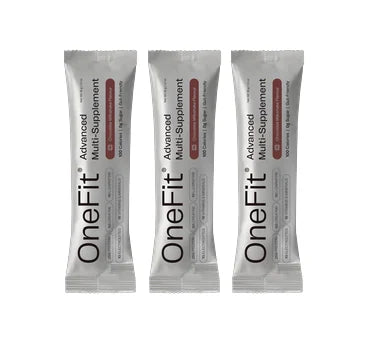
 OneFit®
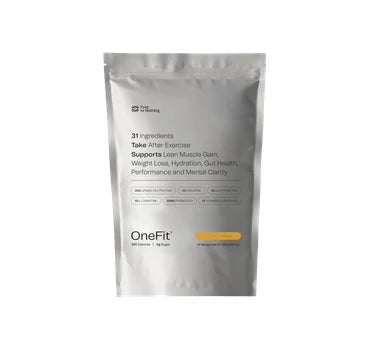
OneFit®
OneFit®
OneFit®
OneFit®
OneFit®
OneFit®
OneFit®
OneFit®
OneFit®
OneFit®
First or Nothing is independently tested for heavy metals, purity, and dosage accuracy.
OneLife™
OneLife™
OneLife™
© 2026 FON Health AU Pty Ltd


Please select your shipping country.
Buy from the country of your choice. Remember that we can only ship your order to addresses location in the chosen country.

 Ships in 24h
"EXCELLENT"
 rated 4.8/5 on


