
For Today & Tomorrow
The Complete System
For Performance & Longevity


 Shop
Shop
 Learn
Learn


Editorial Team
Want To Jump Ahead?
Lock in Limited Time OfferResveratrol became famous as the “red wine antioxidant”, the plant compound people linked to heart health, anti-ageing, and the so-called French paradox. It sounded almost too good to resist: a molecule in wine that might help explain why some populations seemed to live longer despite rich diets.
Then the science got more complicated. Researchers found resveratrol is absorbed by the body, but it is also broken down fast. In a human study by Walle et al. in 2004, a 25 mg oral dose was absorbed at least 70%, yet only trace amounts of unchanged resveratrol remained in circulation because the body rapidly converted it into metabolites.
Resveratrol is absorbed surprisingly well, but the unchanged compound has very low bioavailability because the body metabolises it so quickly.
That does not make resveratrol useless. It makes it more interesting.
The real question is not whether resveratrol is “good” or “bad.” The better question is what it can realistically do, what doses have been studied, and whether food sources can ever compete with supplements.
Resveratrol is a polyphenol found naturally in grapes, red wine, peanuts, and some berries. The Linus Pauling Institute describes it as a plant compound that is well absorbed by humans but has relatively low bioavailability because it is rapidly metabolised and eliminated.
That explains why the resveratrol conversation is so messy.
In a lab dish, resveratrol can look impressive. It has been studied for effects related to oxidative stress, inflammation, blood vessels, mitochondrial function, and cellular ageing pathways. But a compound does not get credit in the human body just because it performs well in a lab.
It has to survive digestion. It has to enter circulation. It has to reach the right tissues. It has to remain active long enough to matter.
This is why drinking red wine for resveratrol is a weak strategy. Wine may contain the compound, but alcohol brings its own health risks, and the dose of resveratrol is nowhere near what researchers often use in supplement trials.
A better way to think about it is this: grapes and berries are great foods, but they are not a precision dosing tool.
The strongest claims around resveratrol often come from animal research. That is where headlines about longevity, metabolism, and “anti-ageing” usually begin.
Human trials are more cautious. In Timmers et al. 2011, published in Cell Metabolism, researchers gave 11 healthy obese men 150 mg of resveratrol per day for 30 days in a randomised, double-blind crossover study. They reported calorie-restriction-like effects, including reduced sleeping and resting metabolic rate, changes in muscle mitochondrial markers, and improved muscle mitochondrial respiration on a fatty acid-derived substrate.
That study is one reason resveratrol became a serious player in the longevity conversation.
In Poulsen et al. 2013, published in Diabetes, researchers tested high-dose resveratrol in 24 obese but otherwise healthy men for four weeks. The study was randomised, placebo-controlled, double-blind, and parallel-group. The result was far less exciting: high-dose resveratrol did not meaningfully improve many of the metabolic outcomes researchers were hoping to see.
That contrast matters. One study suggested metabolic effects at 150 mg per day. Another found disappointing results at a higher dose in a similar population. This is why “more resveratrol” does not automatically mean “better outcome.”
There is also evidence worth noting in people with metabolic issues.
In Brasnyó et al. 2011, published in the British Journal of Nutrition, 19 people with type 2 diabetes were given either a placebo or 5 mg of resveratrol twice daily for four weeks. The authors reported improved insulin sensitivity, reduced oxidative stress, and activation of the Akt pathway, a signalling pathway involved in insulin action.
So the responsible conclusion is not “resveratrol fixes metabolism.” It is that resveratrol has shown promising signals in some human trials, especially around metabolic health, but the evidence is mixed, dose-dependent, and not strong enough to make disease-treatment claims.
If someone wants more resveratrol from food, the usual list is simple: red grapes, peanuts, blueberries, cranberries, and red wine.
But the dose problem appears quickly. Food sources provide resveratrol in small, variable amounts. The amount depends on the plant variety, growing conditions, processing, storage, and whether you are eating the skin, where much of the compound is concentrated in grapes.
That does not make these foods pointless. Quite the opposite.
A bowl of berries gives you fibre, vitamin C, anthocyanins, and a mix of plant compounds. Peanuts provide protein, fats, minerals, and polyphenols. Grapes contain more than just one headline ingredient.
Food is broad-spectrum. Supplements are targeted. If your goal is a healthier diet, eat the colourful plants. If your goal is to match the amounts used in human resveratrol trials, food becomes impractical very quickly.
A real-world example makes the point. Someone might drink a glass of red wine, thinking they are getting a longevity dose of resveratrol. But the Timmers study used 150 mg per day. That is a controlled supplement dose, not something you casually reach through a normal diet without also taking in things you may not want, especially alcohol.
This is where supplements make sense: because they can deliver a measured dose without pretending wine is a wellness protocol.
There is no official recommended daily intake for resveratrol. It is not an essential nutrient like vitamin C, iron, or magnesium.
Human studies have used very different doses. Brasnyó et al. used 10 mg per day total in people with type 2 diabetes. Timmers et al. used 150 mg per day in obese men. Poulsen et al. tested a higher-dose approach and did not find the expected metabolic benefits.
That dose range tells you something important: resveratrol is not a simple “take more, get more” compound.
The body’s handling of resveratrol is complex. Its rapid metabolism means the form, dose, timing, and health status of the person taking it may all influence the outcome.
Safety matters too. Reviews of human intervention trials generally describe resveratrol as well-tolerated, but higher doses are more likely to cause side effects, especially gastrointestinal issues. A review of human intervention trials also notes that research spans different health conditions and biomarkers, which makes broad claims difficult.
Anyone taking prescription medication, especially blood thinners or medication for cardiovascular or metabolic conditions, should speak with a qualified clinician before using high-dose resveratrol. That is not scare language. It is basic supplement hygiene.
The biggest myth is that red wine is a shortcut to better ageing.
It is an easy story to sell: red wine contains resveratrol, resveratrol is linked to longevity research, therefore red wine must be “healthy.” But that skips the part where alcohol brings its own risks, and the resveratrol dose in wine is nowhere near the amounts used in many supplement studies.
If the goal is more polyphenols, grapes, berries, cocoa, peanuts, and colourful plant foods are the smarter place to start. You get the plant compounds without pretending alcohol is a wellness tool.
Resveratrol is interesting because researchers have studied its effects on pathways connected to oxidative stress, inflammation, metabolism, mitochondrial function, and cellular ageing. That is not the same as proving that taking resveratrol makes humans live longer.
Higher doses do not automatically work better. Poulsen et al. 2013 is the cautionary example. In that trial, high-dose resveratrol supplementation in obese men did not deliver the metabolic improvements researchers expected. That does not mean resveratrol has no value. It means dose, context, formulation, and the person taking it all matter.
Food and supplements do not do the same job. Food gives you a broad nutritional base: fibre, minerals, vitamins, and a wide mix of plant compounds. Supplements are different. They are useful when you want a targeted, consistent amount without relying on unrealistic food intake.
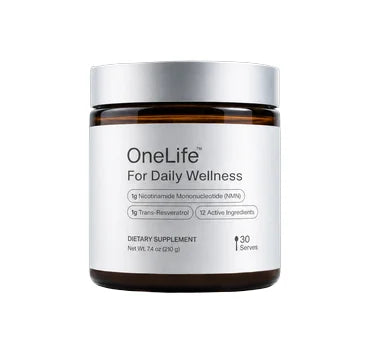
That is where OneLife™ fits naturally. It is not about chasing one miracle ingredient. It is for people who want a structured daily longevity routine that supports the foundations: nutrient coverage, consistency, and targeted healthy-ageing support.
With resveratrol, bioavailability is central. Walle et al. 2004 showed that resveratrol can be absorbed well, yet still leaves very low levels of unchanged resveratrol in circulation because the body metabolises it quickly.
That is why the smarter question is not “Can I get resveratrol from food?” It is: am I building a consistent system for healthy ageing, or am I relying on occasional foods and wellness headlines?
For most people, the best answer starts with the daily fundamentals: sleep, protein, training, fibre, and a high-quality supplement routine that is easy to stick to. OneLife™ was built for that kind of consistency, not trend-chasing.

For Longevity & Cellular Health
$3.90/day
$351/90 DAYS
Resveratrol is not a miracle molecule, but it is not empty hype either. The best reading of the science is that resveratrol may support pathways tied to metabolic health, oxidative stress, vascular function, and healthy ageing, but results in humans are mixed and depend heavily on dose, population, and study design. Food sources belong in a healthy diet. Supplements belong in a more targeted conversation. For people who want to build a consistent, healthy-ageing routine without juggling a shelf full of products, First or Nothing’s approach is simple: cover the daily foundations first, then layer in targeted support where it makes sense.
Get our weekly deep-dive into performance science, research summaries, and elite training protocols.
Join 45,000+ high-performers. Unsubscribe anytime.
Every batch of First or Nothing products is independently tested for heavy metals, purity, and dosage accuracy to ensure safety and quality.

First or Nothing is independently tested for heavy metals, purity, and dosage accuracy.
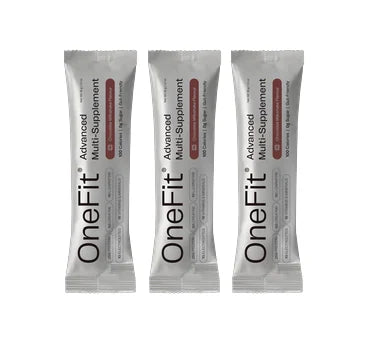
 OneFit®
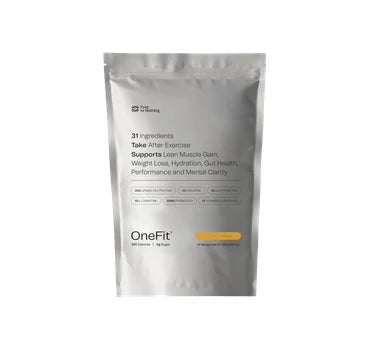
OneFit®
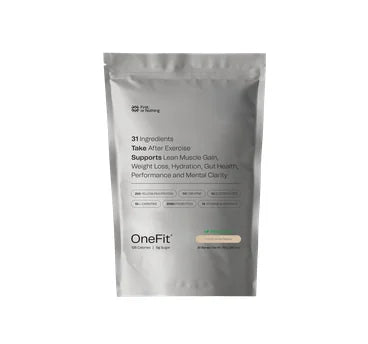
OneFit®
OneFit®
OneFit®
OneFit®
OneFit®
OneFit®
OneFit®
OneFit®
OneFit®
First or Nothing is independently tested for heavy metals, purity, and dosage accuracy.
OneLife™
OneLife™
OneLife™
© 2026 FON Health AU Pty Ltd


Please select your shipping country.
Buy from the country of your choice. Remember that we can only ship your order to addresses location in the chosen country.

 Ships in 24h
"EXCELLENT"
 rated 4.8/5 on


