

For Today & Tomorrow
The Complete System
For Performance & Longevity


 Shop
Shop
 Learn
Learn


Editorial Team
Want To Jump Ahead?
Lock in Limited Time OfferYou ate breakfast. You grabbed lunch between meetings. Dinner will probably come from the freezer or a takeaway app because it's been another long day. You haven't skipped meals, yet your energy is fading, your workouts feel harder to recover from, and you can't quite work out why.
For many Australians, that's become an ordinary day. But nutrition scientists say there's a growing disconnect between how much we eat and how well we're nourished. Modern diets are delivering plenty of calories, yet they're often falling short on the vitamins and minerals the body depends on to produce energy, repair tissue, and stay healthy.
This isn't about starvation or severe vitamin deficiencies. It's about the small nutritional gaps that can develop over months or years when convenience gradually replaces variety. They don't always announce themselves with obvious symptoms, but they can quietly affect how you feel, perform, and recover.
Walk into any supermarket, and you'll find thousands of products promising convenience, flavour and value. Food has never been more accessible. Ironically, that abundance can make it easier to miss out on essential nutrients.
Calories and nutrients aren't the same thing. Calories provide energy, but nutrients allow the body to use that energy efficiently. Magnesium supports hundreds of biochemical reactions, B vitamins help convert food into usable energy, iron carries oxygen around the body, while zinc and vitamin C play important roles in immune function and recovery.
If those nutrients aren't consistently available, the body has less to work with—even if you're eating enough to feel full.
Researchers have been tracking this shift for years. In a 2023 study published in the European Journal of Nutrition, Machado and colleagues analysed dietary data from more than 12,000 Australian adults. They found that people with the highest intake of ultra-processed foods had significantly lower intakes of calcium, magnesium, iron, zinc, folate, and vitamins A, C, E, and B12 than those whose diets contained fewer ultra-processed foods.
The researchers weren't suggesting that every processed food should be avoided. Frozen vegetables, canned beans, and fortified milk are all processed and can be nutritious choices. The issue was the growing dominance of ultra-processed foods—products made largely from refined ingredients, additives and industrial formulations that often replace more nutrient-dense options in the diet.
That distinction matters because it's what nutrition scientists call the "displacement effect." Every packaged snack, sugary drink, or highly refined ready meal isn't just adding something to the diet; it may also be replacing vegetables, fruit, legumes, whole grains or quality protein that provide a broader range of nutrients.
When people hear the phrase "nutrient deficiency," they often picture serious medical conditions such as scurvy or rickets. Those diseases are relatively uncommon today, but that doesn't mean nutritional inadequacy has disappeared.
Many nutrient shortfalls are far more subtle.
Imagine two people eating roughly the same number of calories each day. One prepares meals built around vegetables, fish, eggs, whole grains, and legumes. The other relies on breakfast bars, takeaway lunches, frozen pizzas, and packaged snacks because life is busy. Neither person is going hungry, but over time their nutrient intake can look very different.
That's one reason health professionals increasingly talk about diet quality, not simply calorie intake.
The World Health Organization continues to recommend eating a wide variety of vegetables, fruit, legumes, nuts, seeds, and whole grains because no single food provides everything the body needs. Variety helps cover the full spectrum of vitamins, minerals, fibre and beneficial plant compounds that support long-term health.
A lack of variety doesn't necessarily produce dramatic symptoms overnight. Instead, it can contribute to feeling consistently low on energy, taking longer to recover after exercise, finding it harder to concentrate, or feeling run down more often. These symptoms have many possible causes, but nutrition is one factor that's often overlooked because it's easy to assume that feeling full means being well-nourished.
Our grandparents cooked more meals at home because they had fewer alternatives. Today's food environment is completely different.
Convenience foods are available everywhere, work schedules are busier, and many people spend less time preparing meals than previous generations. According to the Australian Bureau of Statistics, eating habits have shifted alongside changing lifestyles, with convenience playing a much larger role in daily food choices.
At the same time, some groups have higher nutritional requirements than others. Athletes, older adults, pregnant women, people following restrictive diets, and those with certain medical conditions may all need more of specific nutrients than the average healthy adult.
Take endurance athletes as an example. During prolonged training, the body uses and loses nutrients at a faster rate. Iron supports oxygen transport, magnesium contributes to normal muscle function, and several B vitamins are involved in energy metabolism. When training volume increases but diet quality doesn't keep pace, meeting those nutritional demands becomes more challenging.
Even for people who aren't athletes, the cumulative effect of busy schedules, frequent takeaway meals and limited dietary variety can make it difficult to consistently achieve recommended nutrient intakes through food alone.
That doesn't mean everyone needs supplements. It does mean that modern lifestyles can make balanced nutrition harder than many people realise.
Whole foods should always come first.
They provide fibre, healthy fats, protein, and thousands of naturally occurring compounds that supplements simply can't replicate. No capsule replaces a colourful salad, a serving of oily fish or a balanced home-cooked meal.
But nutrition isn't an all-or-nothing equation.
Some people struggle to eat enough vegetables every day. Others travel constantly for work, train intensely, follow vegetarian or vegan diets, or have medically diagnosed deficiencies. In those situations, supplementation can help fill genuine nutritional gaps alongside a healthy diet rather than replacing it.
The key is viewing supplements for what they are: support, not substitutes.
Choosing evidence-informed products, maintaining a varied diet, and speaking with a healthcare professional where appropriate remain the most effective long-term strategies for supporting overall health.
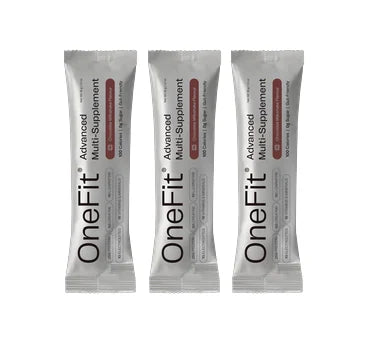
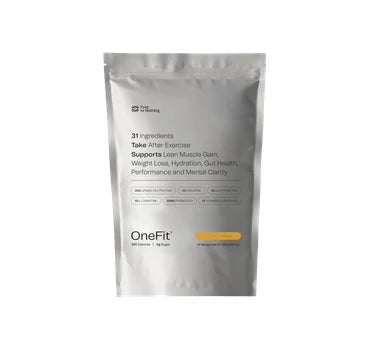
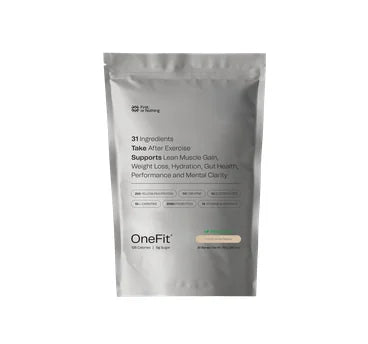
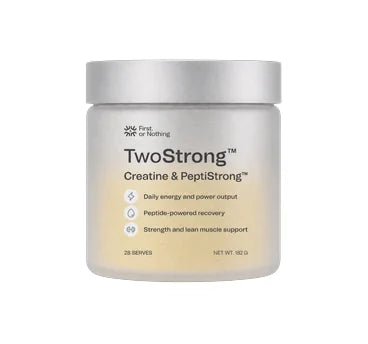
For those looking to build a consistent daily routine, The Complete System from First or Nothing is designed to complement healthy eating by providing comprehensive nutritional support. It's intended to work with good habits and not instead of them.

Longevity & Performance
The challenge with modern diets isn't that food has disappeared. It's that nutrient-dense foods are increasingly competing with products designed for convenience. Over time, those choices can influence the quality of the nutrients we consume, even when we're eating enough to satisfy our hunger.
A balanced diet will always be the foundation of good health. But for many people, consistently eating a wide variety of nutrient-rich foods isn't always realistic. Busy schedules, frequent travel, demanding training or simply the pace of everyday life can all make it harder to meet your nutritional needs through food alone.
That's where high-quality supplementation can play a valuable supporting role. Rather than replacing healthy eating, it can help fill nutritional gaps when life gets in the way.
For those looking to build a simple, consistent wellness routine, The Complete System from First or Nothing is designed to complement a balanced diet with comprehensive daily nutritional support. Combined with healthy food, regular movement and quality sleep, it's a practical way to help support your long-term health and performance.
Get our weekly deep-dive into performance science, research summaries, and elite training protocols.
Join 45,000+ high-performers. Unsubscribe anytime.
Every batch of First or Nothing products is independently tested for heavy metals, purity, and dosage accuracy to ensure safety and quality.

First or Nothing is independently tested for heavy metals, purity, and dosage accuracy.
 OneFit®
OneFit®
OneFit®
OneFit®
OneFit®
OneFit®
OneFit®
OneFit®
OneFit®
OneFit®
OneFit®
First or Nothing is independently tested for heavy metals, purity, and dosage accuracy.
OneLife™
OneLife™
OneLife™
© 2026 FON Health AU Pty Ltd


Please select your shipping country.
Buy from the country of your choice. Remember that we can only ship your order to addresses location in the chosen country.

 Ships in 24h
"EXCELLENT"
 rated 4.8/5 on


