

For Today & Tomorrow
The Complete System
For Performance & Longevity


 Shop
Shop
 Learn
Learn


Editorial Team
By age 25, collagen production begins to decline naturally. In the decade that follows, the effects start surfacing quietly: fine lines that stay longer, joints that recover slower, tendons that feel tighter after exercise. By the time most people notice it, the body has already been losing collagen for years.
That decline has turned collagen supplements into one of the fastest-growing categories in wellness. But the industry has split into two competing camps: bovine collagen and marine collagen.
One is sold as cleaner, more absorbable, and superior for skin. The other dominates sports recovery shelves and has years of connective tissue research behind it. Both sides claim science. Both sides promise results.
The reality is more nuanced than the marketing.
Because when researchers study collagen closely, the conversation stops being about hype and starts becoming about three things that actually matter: absorption, source quality, and sustainability.
Marine collagen sounds premium because it was marketed that way from the start.
Sourced from fish skin, scales, and bones left over from seafood processing, it offered both a sustainability angle and a strong beauty story. The high Type I collagen content made it easy for brands to link marine collagen to skin hydration, elasticity, and anti-aging support.
Some research supports the broader benefits of hydrolyzed collagen. A 2021 review found that oral collagen supplementation improved skin elasticity, hydration, and dermal collagen density, though the findings applied to collagen peptides generally, not marine collagen alone.
Marine collagen was also promoted for better absorption because its peptides are often smaller than some bovine collagen products. But that comparison is often oversimplified. High-quality hydrolyzed bovine collagen is also highly bioavailable, and processing quality can matter more than the animal source.
As marine collagen became the beauty industry’s favorite, bovine collagen was rising alongside it, helped by its broader collagen profile, lower cost, and strong positioning in joint, muscle, and whole-body wellness.
Bovine collagen became associated with movement.
Bovine collagen naturally contains both Type I and Type III collagen, which are heavily concentrated in connective tissues like tendons, ligaments, cartilage, and fascia.
For athletes and active adults, those tissues matter every day. Professional runners, weightlifters, and high-performance athletes put enormous strain on connective tissue through repetitive loading. Muscles may recover relatively quickly after training, but tendons adapt slowly.
That’s why collagen supplementation started appearing in elite recovery programs.
One of the most influential studies came from Shaw et al. in 2017, Vitamin C-enriched gelatin supplementation before intermittent activity augments collagen synthesis. Published in The American Journal of Clinical Nutrition, the research examined whether consuming vitamin C-enriched gelatin before exercise could increase collagen synthesis.
Participants who consumed gelatin one hour before intermittent exercise showed significantly increased markers associated with collagen production.
Sports dietitians paid attention immediately. Collagen was no longer viewed as a beauty supplement. It became part of broader discussions around tendon health, joint resilience, and long-term recovery.
A practical example is endurance running. Recreational runners logging high weekly mileage often deal with recurring Achilles irritation, knee stiffness, or tendon soreness that lingers longer with age. Many now combine collagen supplementation with strength training and adequate protein intake to support connective tissue adaptation during heavier training cycles.
Connective tissue requires amino acids and structural support to remodel under stress. That distinction matters because collagen marketing often creates unrealistic expectations. Supplements can support recovery processes, but they do not replace training, nutrition, or proper recovery habits.
Marine collagen companies frequently position fish-derived collagen as the environmentally responsible option. The argument is simple: seafood processing produces large amounts of leftover skin, scales, and bones, and those materials can be repurposed into collagen peptides instead of becoming waste.
That fits neatly into the “blue circular economy,” where marine by-products are turned into biomedical and nutritional ingredients rather than discarded. It is a compelling sustainability story, but it is not the whole picture.
Marine collagen quality still depends on fish species, purification standards, contaminant testing, and fishery management practices. A marine collagen product sourced irresponsibly can create environmental and ethical concerns despite its “ocean-friendly” branding.
Bovine collagen faces its own scrutiny because cattle farming is associated with greenhouse gas emissions, land use, and broader environmental concerns. But bovine collagen is also commonly made from hides, bones, and connective tissue left over from the meat industry. In that sense, it can follow a similar waste-reduction logic: using existing by-products rather than creating a separate supply chain solely for collagen.
That makes the sustainability debate less about bovine versus marine and more about transparency. The real question is whether the full supply chain is traceable, responsibly sourced, properly tested, and managed in a way that reduces waste without disguising larger environmental costs.
As consumers become more skeptical of wellness marketing, both marine and bovine collagen brands will need to prove that their sustainability claims go beyond a convenient origin story.
One of the biggest misconceptions surrounding collagen is that consumed collagen somehow becomes skin collagen directly after digestion. Human biology doesn’t work that way.
When collagen peptides are consumed orally, digestive enzymes break them down into amino acids and smaller peptides. Some of those peptides may then act as signaling molecules that stimulate fibroblasts, the cells involved in collagen production within skin and connective tissues.
Collagen behaves less like a filler and more like a trigger. Researchers are increasingly viewing collagen supplementation as part of a broader healthy aging strategy rather than a cosmetic quick fix.
And that shift reflects a larger cultural change happening inside wellness.
People are no longer focused only on appearance. They’re thinking about mobility at 50. Joint health at 60. Recovery capacity at 70. They want to stay physically capable longer, not just look younger in photos.
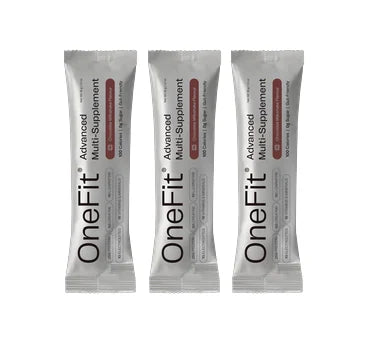
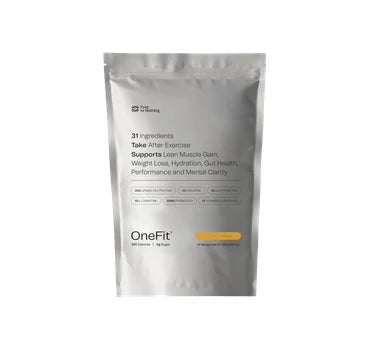
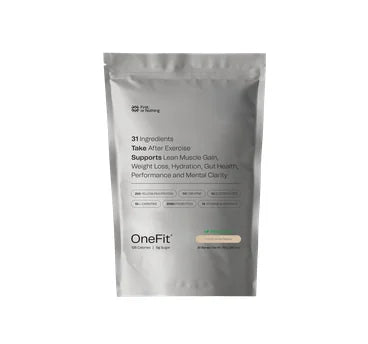
That’s where a daily system like OneFit® starts making more sense than chasing isolated “miracle” ingredients.
Recovery, connective tissue health, and long-term performance don’t come from one scoop of collagen alone. They come from consistent habits, quality nutrition, proper training, sleep, and formulas designed to support the body as a whole.
OneFit® was built around that idea. Instead of leaning on trend-driven claims, it focuses on foundational support for recovery, resilience, and long-term physical performance, the things most people actually notice as they get older.
Because the goal isn’t just better skin, it’s staying strong, mobile, and capable for decades. The source matters. The quality matters more.

For Performance
$3.30/day
$297/90 DAYS
The collagen industry loves turning marine and bovine collagen into opposing teams. The science doesn’t really support that framing.
Marine collagen may appeal to people focused on skin health and sustainability-conscious sourcing. Bovine collagen continues to dominate sports recovery and connective tissue support because of its broader collagen profile and extensive research history. Both can play a role in long-term health when they’re properly sourced, clinically dosed, and used consistently.
What matters most is not whether collagen came from fish or cattle. It’s whether the product was built with quality, transparency, and real recovery in mind.
For people trying to stay active, recover harder, and maintain resilience as they age, foundational support matters more than wellness trends. That’s the thinking behind OneFit®, a daily formula designed to support performance, connective tissue health, and long-term recovery.
Get our weekly deep-dive into performance science, research summaries, and elite training protocols.
Join 45,000+ high-performers. Unsubscribe anytime.
Every batch of First or Nothing products is independently tested for heavy metals, purity, and dosage accuracy to ensure safety and quality.

First or Nothing is independently tested for heavy metals, purity, and dosage accuracy.
 OneFit®
OneFit®
OneFit®
OneFit®
OneFit®
OneFit®
OneFit®
OneFit®
OneFit®
OneFit®
OneFit®
First or Nothing is independently tested for heavy metals, purity, and dosage accuracy.
OneLife™
OneLife™
OneLife™
© 2026 FON Health AU Pty Ltd


Please select your shipping country.
Buy from the country of your choice. Remember that we can only ship your order to addresses location in the chosen country.

 Ships in 24h
"EXCELLENT"
 rated 4.8/5 on


